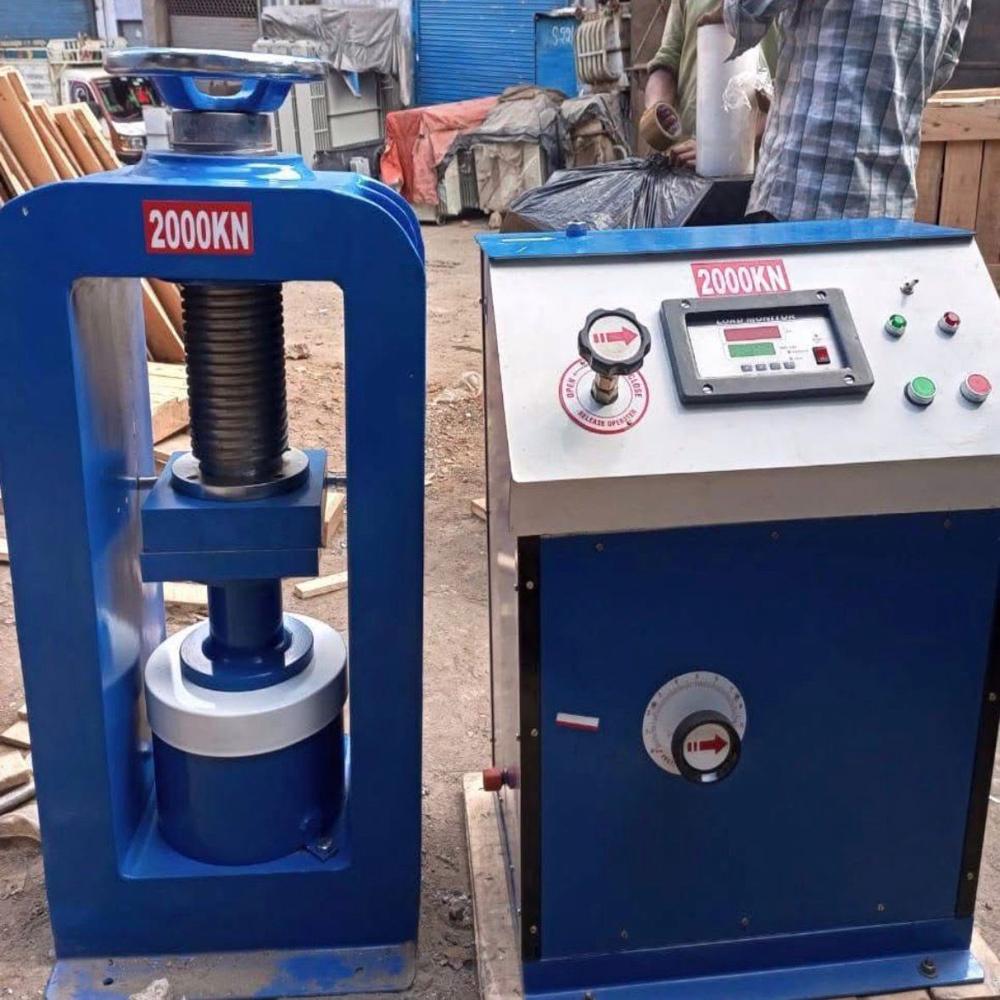
About Digital Compression Testing Machine 2000 KN
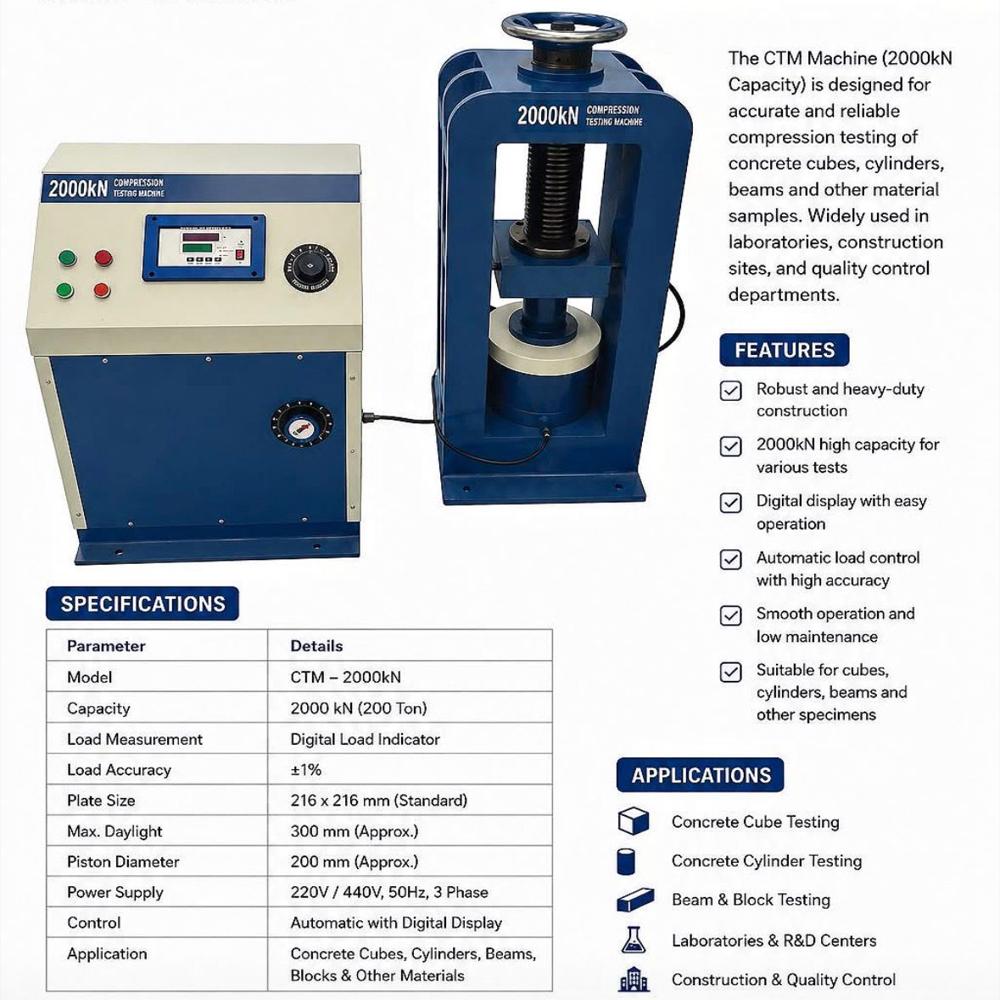
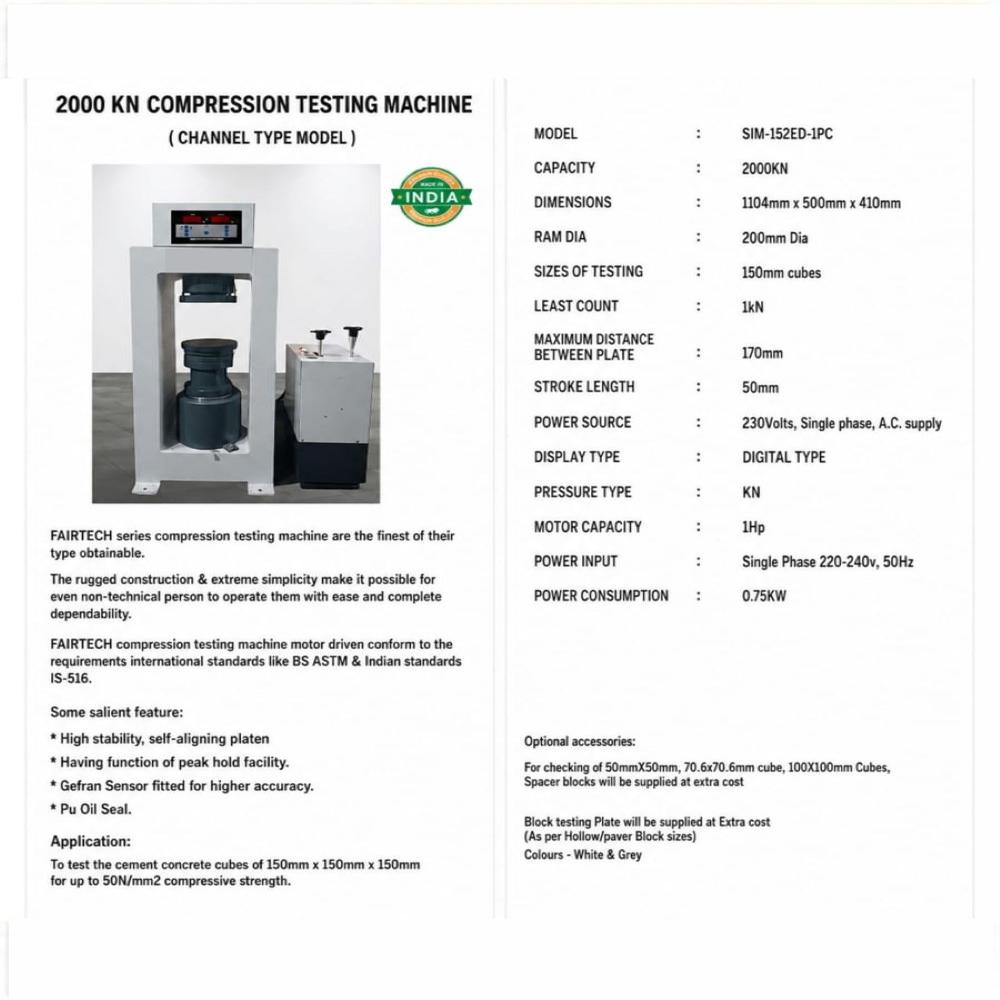
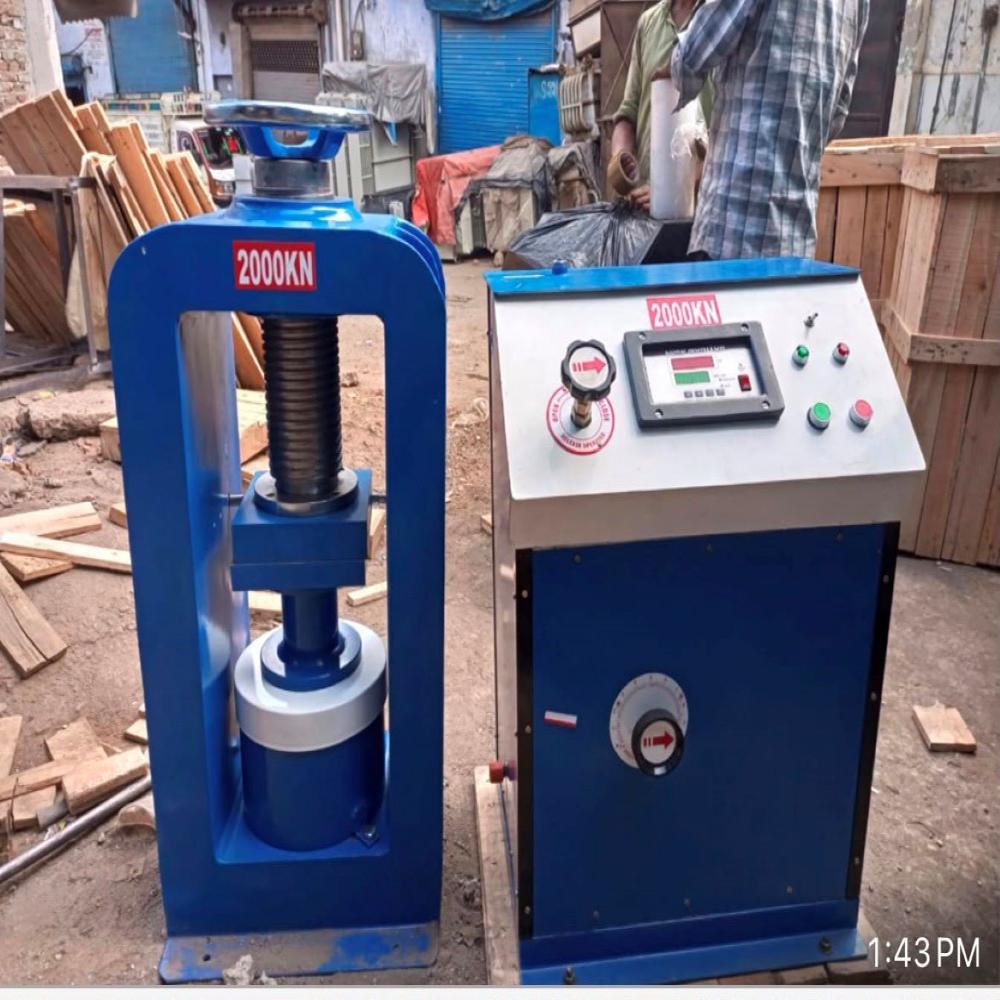
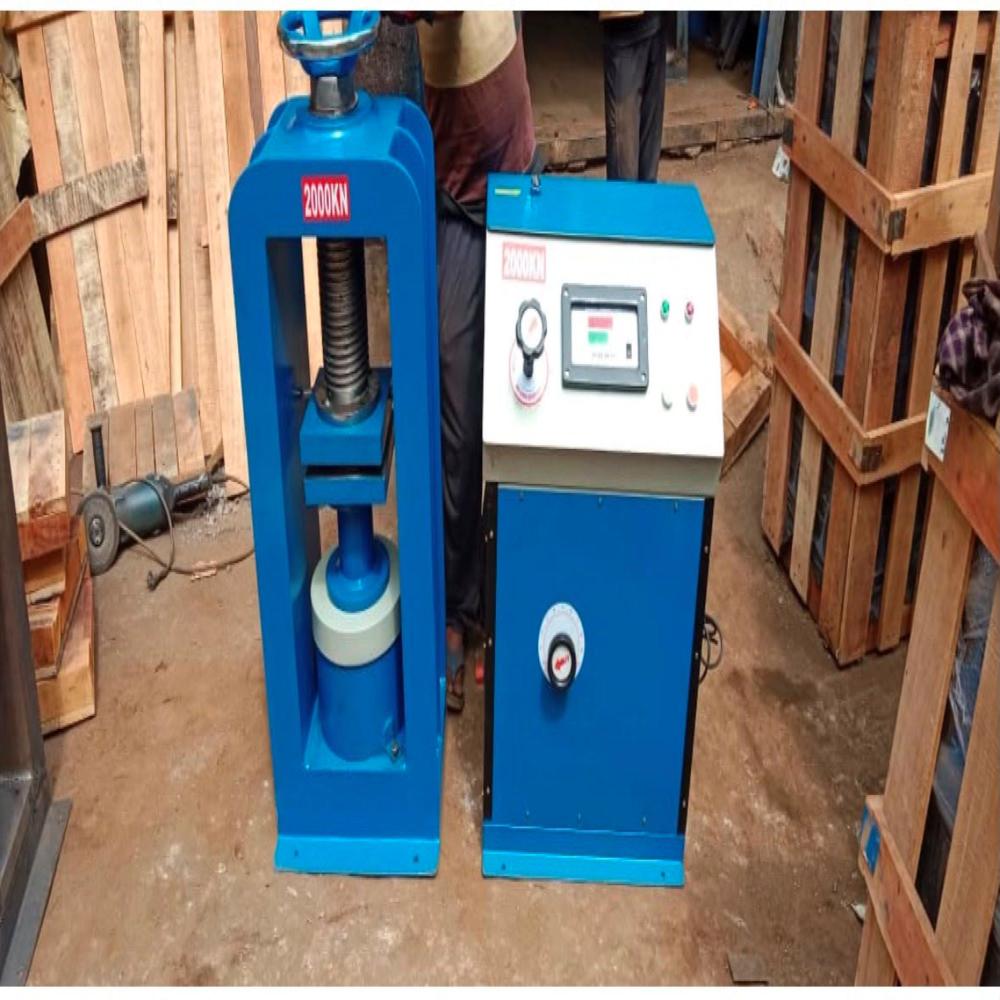
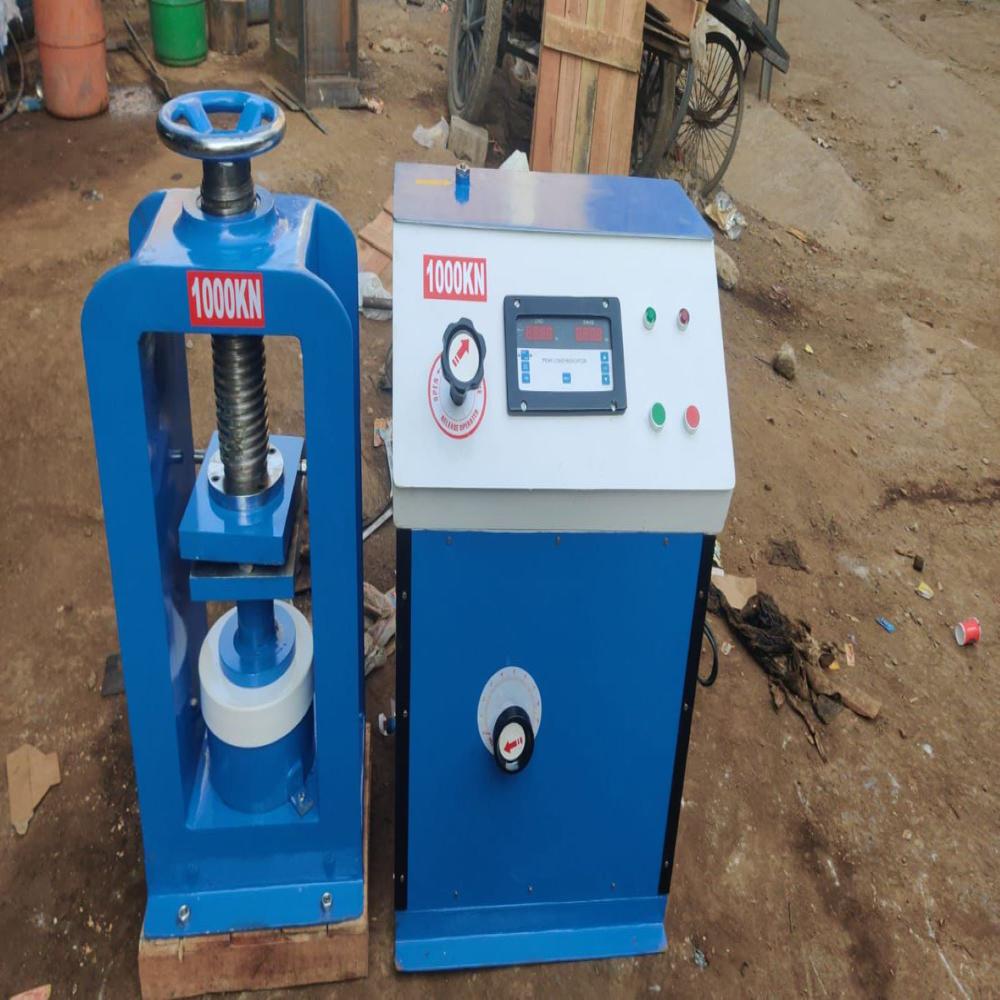
Semi-Automatic (Motorized) range of 2000 kN and 3000 kN capacity compression testing machines have been designed for reliable and consistent testing of a wide range of specimens. These compression testers are manufactured as a result of continuous research studies to upgrade the machines with the latest technologies to conform with the latest standards EN 12390-3, 12390-4, BS 1881 in terms of its technical properties taking into account the client requirements. These machines also meet the requirements of CE norms with respect to the health and safety of the operator. And their user-friendly design enable an inexperienced operator to perform the test. Maximum horizontal clearance for placing sample is limited with the border of the platens. Sample must be placed such that its ends will not overflow from the ends of platens and it must be centered perfectly. The suitable vertical clearance for specimen can be adjusted with distance pieces.Reliable Concrete Testing PerformanceBuilt for accuracy and durability, the Digital Compression Testing Machine 2000 KN offers a dependable option for concrete strength assessments. Its manual control mechanism is easy to use, while the hydraulic oil cooling system prevents overheating during extended operations. The steel construction of this 300 kg machine ensures longevity, making it an excellent choice for heavy-duty usage in construction and material testing environments.
Versatile Application Across IndustriesIdeal for use by dealers, wholesalers, manufacturers, and service providers, this machine delivers consistent and reliable results. Its 200-ton annual capacity suits a range of testing needs, supporting infrastructure development and quality assurance processes in the concrete industry throughout India.
FAQ's of Digital Compression Testing Machine 2000 KN:
Q: How does the Digital Compression Testing Machine 2000 KN operate for concrete testing?
A: This machine functions manually, using a hydraulic system powered by a 1 HP motor to apply compressive force to concrete samples. Operators manually control the pressure until the sample fails, with results displayed digitally for accurate measurement.
Q: What are the key benefits of using a manual control system instead of a computerized one?
A: A manual control system offers simplicity, reduced maintenance, and cost-effectiveness. It is less prone to electronic malfunctions, ensures user control, and is suitable for locations with limited technical support.
Q: When should I perform routine maintenance on this machine?
A: Routine maintenance should be carried out at least once every six months, or more frequently if used intensively. Regular checks include inspecting the hydraulic oil level, ensuring all connections are secure, and confirming the machine's calibration.
Q: Where can the Digital Compression Testing Machine be used effectively?
A: This machine is suitable for use in material testing laboratories, construction sites, and educational institutions. Its robust build and compact design make it adaptable for both stationary lab setups and on-site testing.
Q: What is the process of conducting a standard concrete test with this machine?
A: Place the concrete specimen into the machine, align it properly, and use the manual valve to apply compressive force. Observe the digital readout for peak load, then record the value once the sample fails, indicating its compressive strength.
Q: How does the hydraulic oil cooling system benefit the equipment?
A: The hydraulic oil cooling system helps maintain optimal operating temperatures, reducing the risk of overheating during prolonged use. This prolongs the lifespan of hydraulic components and ensures consistent performance.
Q: What warranty and aftersales support does the manufacturer provide?
A: The machine comes with a 1-year warranty, covering manufacturing defects. Dealers, suppliers, and service providers in India offer additional support, including troubleshooting, maintenance, and spare parts supply.
 Send Inquiry



 Send Inquiry


 Send Inquiry